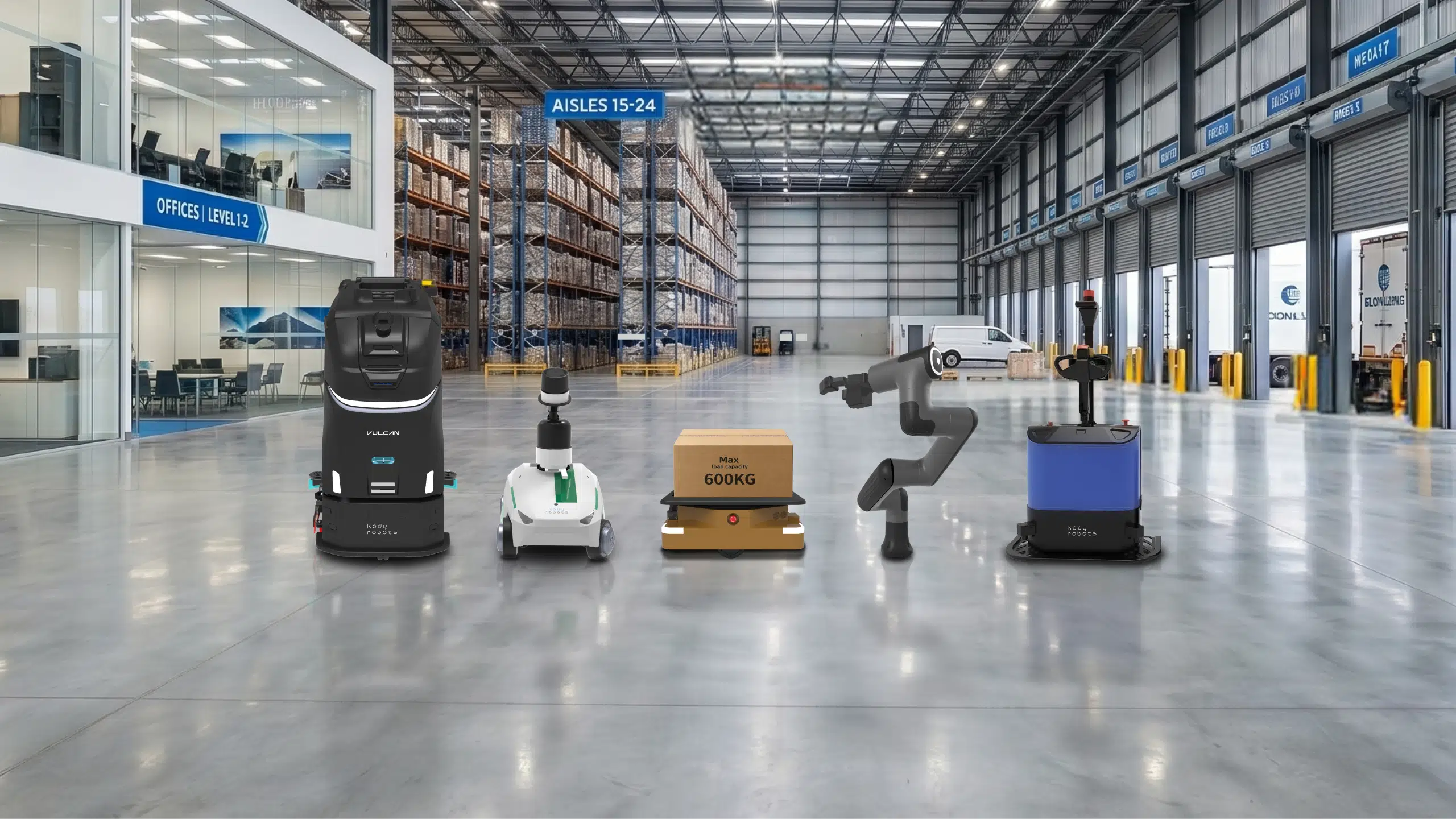
How Autonomous Robots Improve Logistics Operations Across Every Zone
Explore the difference structured automation brings to high-throughput logistics operations across distribution centers, fulfillment hubs, and supply chain facilities.
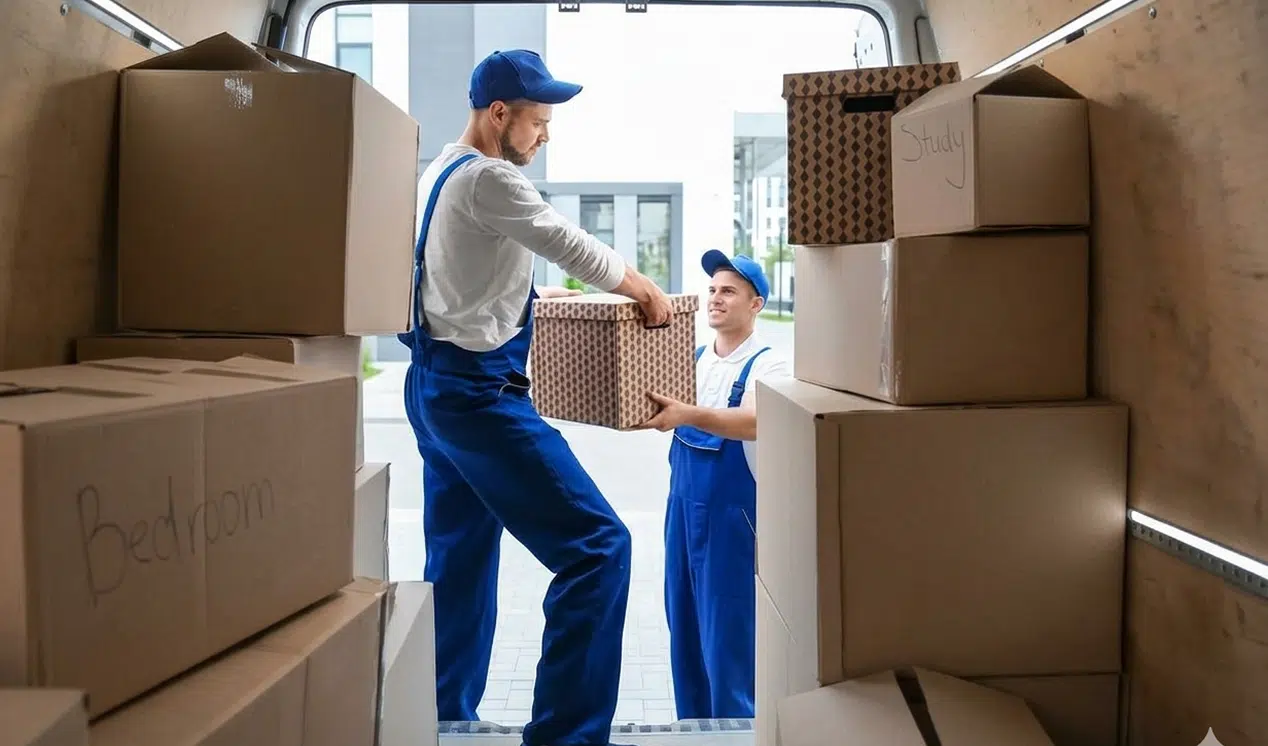

Without Spilot
- Material transport relies on manual handling and walkies.
- Goods movement slows during peak dispatch periods.
- Workflow bottlenecks build across picking and staging.
- Throughput depends entirely on available floor staff.
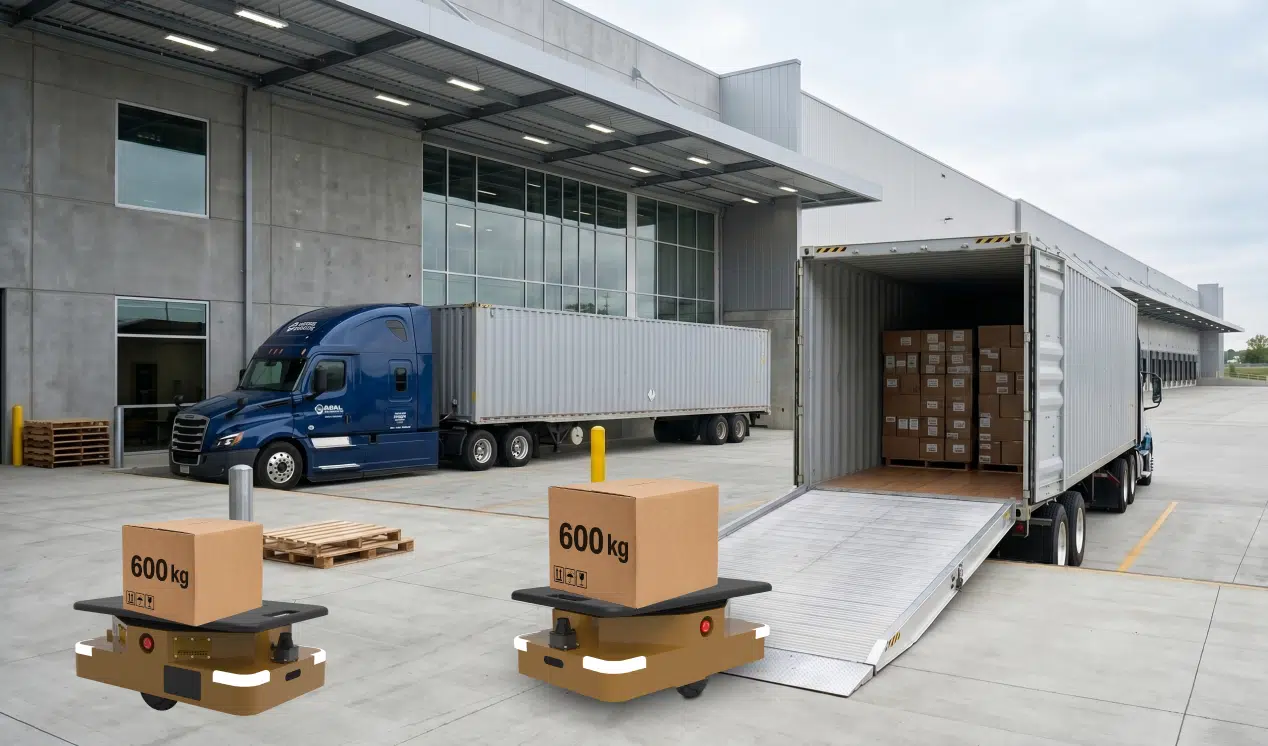

With Spilot
- Autonomous transport keeps goods flowing consistently.
- Mapped routes improve throughput during peak hours.
- Picking and dispatch coordination gets autonomous support.
- 24/7 capability cuts reliance on manual transport shifts.
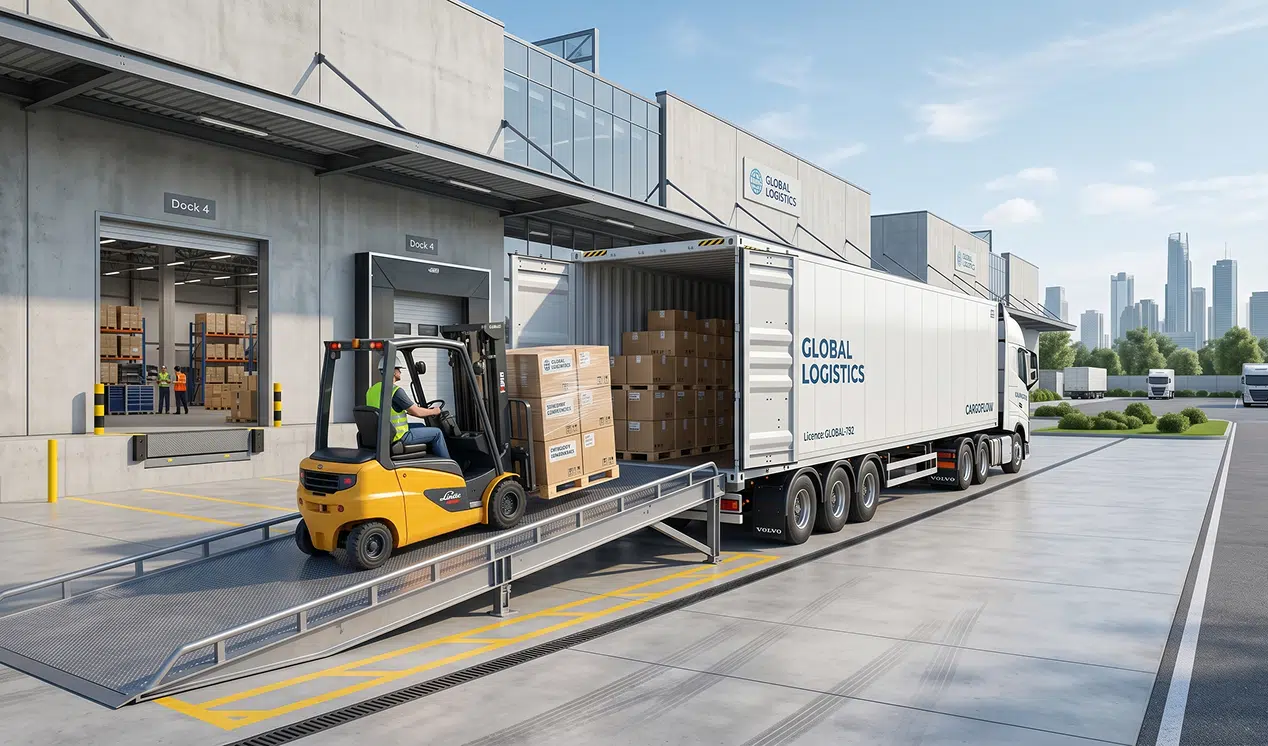
Without ForkOn
- Pallet movement depends on operator shift coverage.
- Manual forklifts raise accident risk in busy zones.
- Load handling varies with operator skill and fatigue.
- Fleet coordination needs heavy supervisory effort.
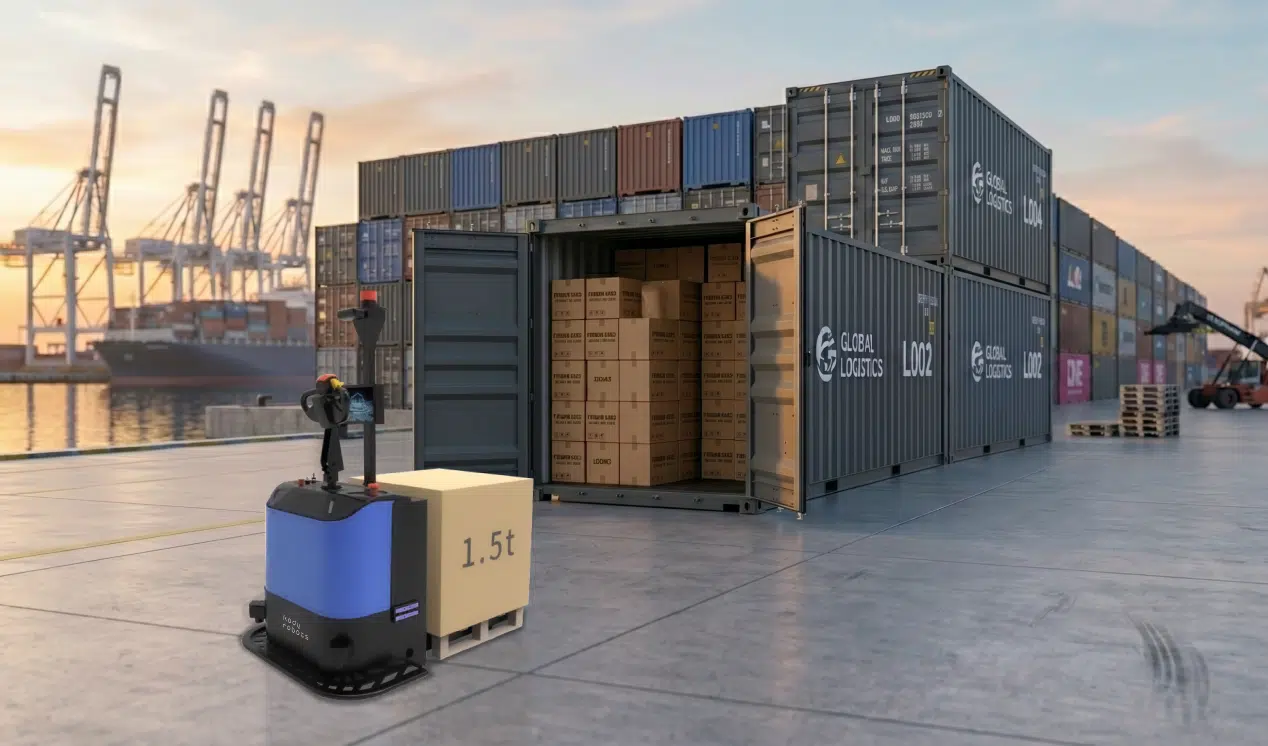
With ForkOn
- Autonomous pallets keep material flow consistent.
- AI navigation cuts accident risk in forklift zones.
- Load handling stays consistent across every shift.
- Fleet coordination improves via centralized monitoring.
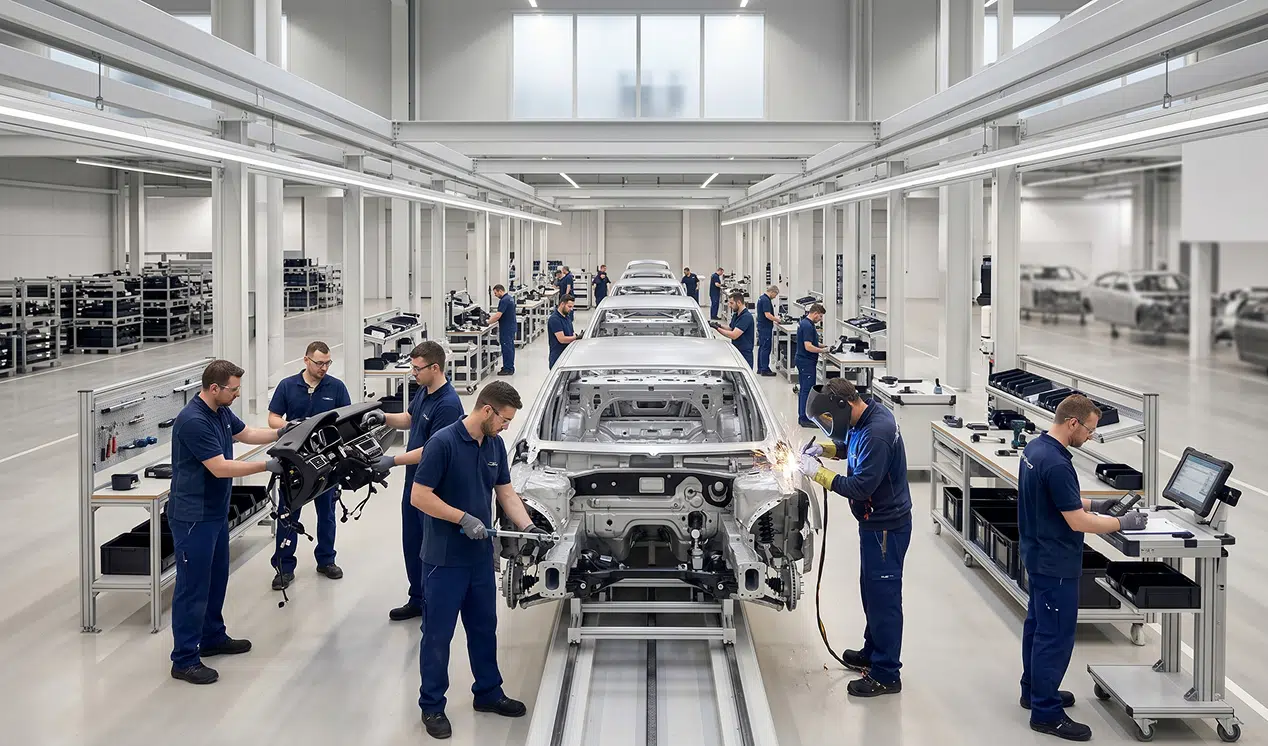
Without Telos
- Repetitive tasks raise worker fatigue and injury risk.
- Manual arm work slows high-volume packing cycles.
- Task consistency depends on workforce stamina alone.
- Scaling output needs proportional labor increases.
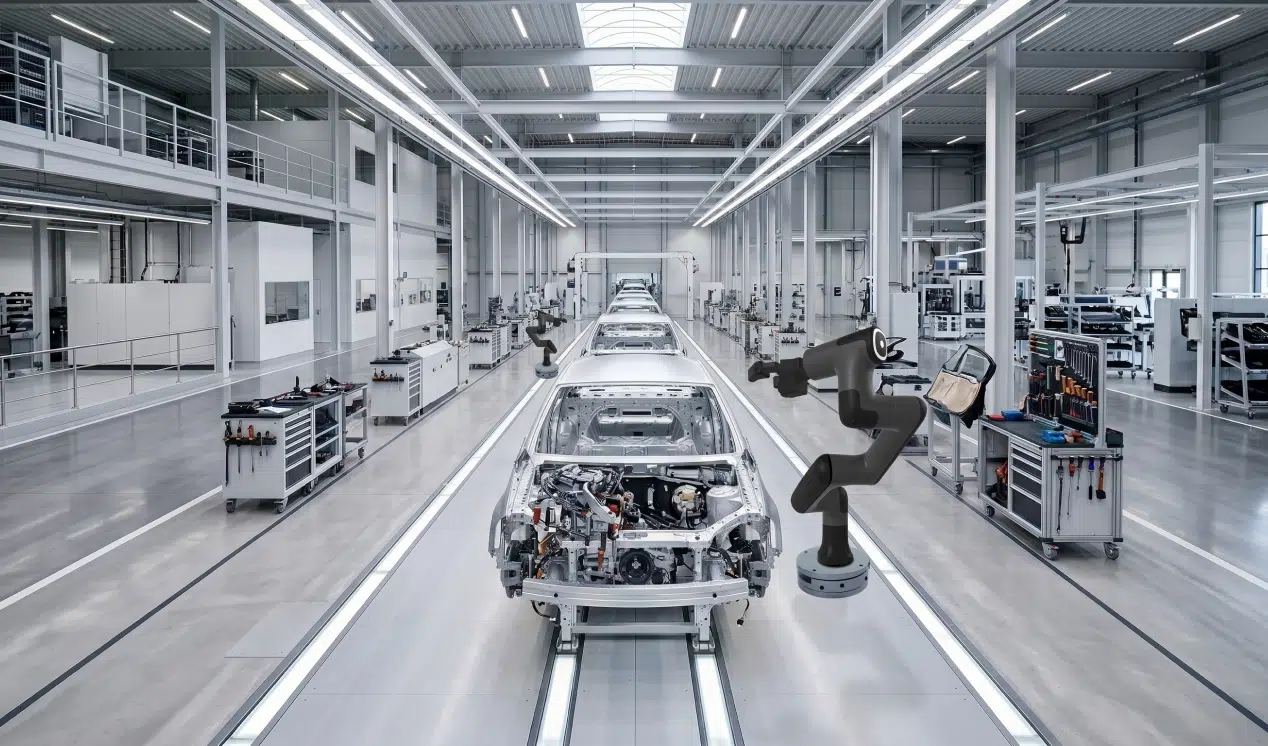
With Telos
- Robotic arms handle assembly and packing with precision.
- Consistent execution maintains high-volume throughput.
- Injury risk drops as Telos takes repetitive tasks.
- Capacity scales without added manual labor headcount.
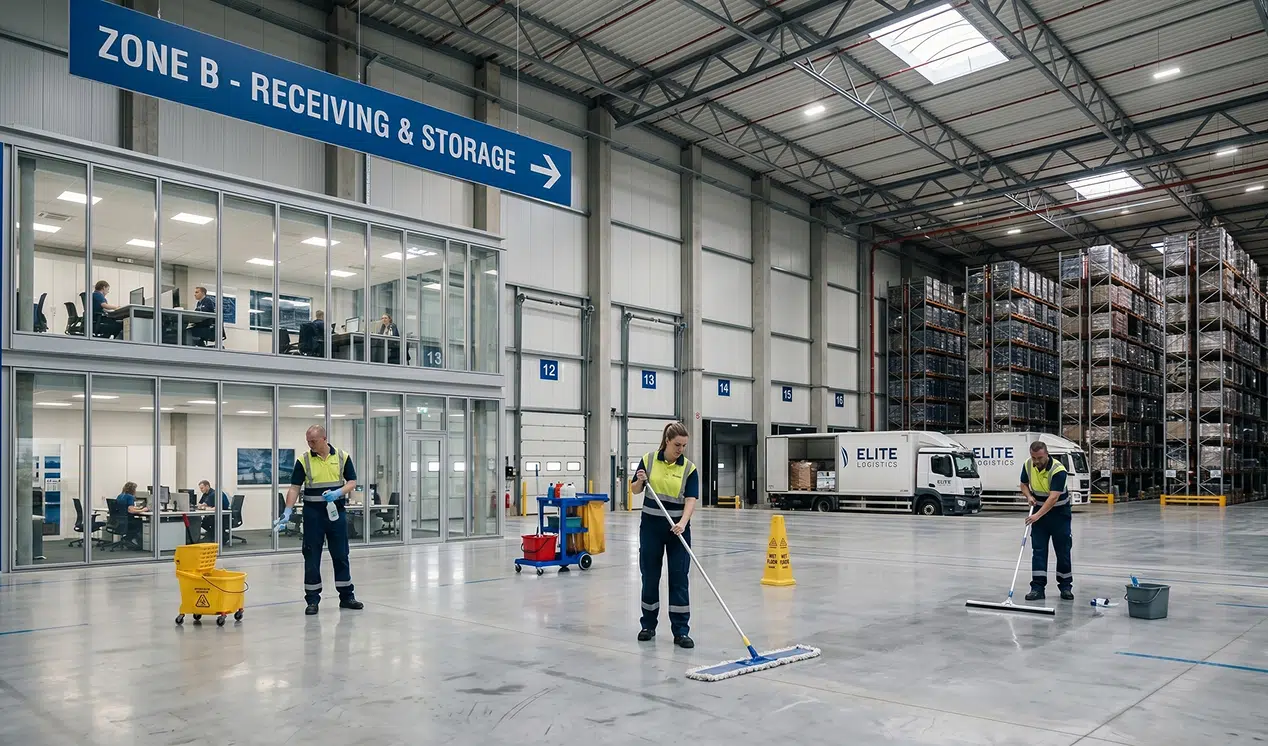
Without Vulcan
- Cleaning quality varies across logistics facilities from shift to shift.
- High-traffic zones need frequent manual attention daily.
- Floor upkeep depends heavily on staff coordination.
- Cleaning tasks pause during employee work shift changes.
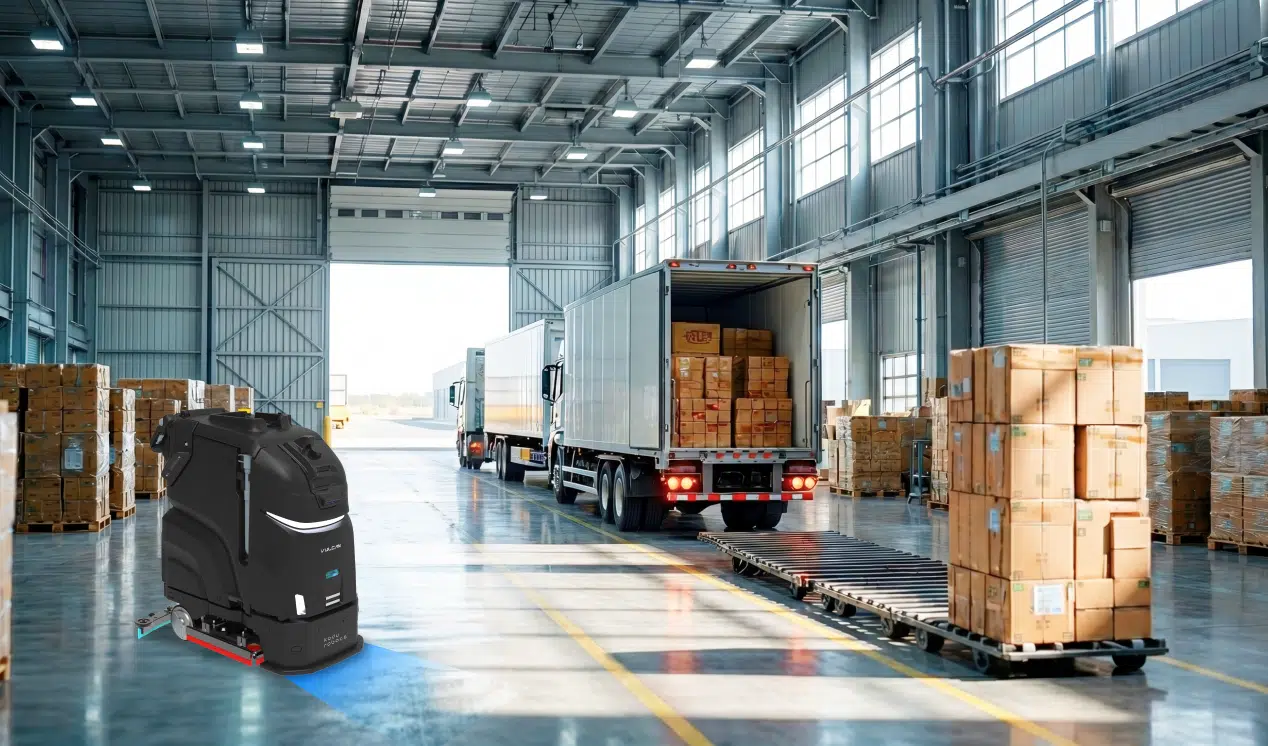
With Vulcan
- Automated cleaning keeps floors hygienic facility-wide.
- Mapped routes improve coverage in fulfillment zones.
- Continuous cleaning runs through multi-shift operations.
- Facility teams manage floors efficiently with less staff.
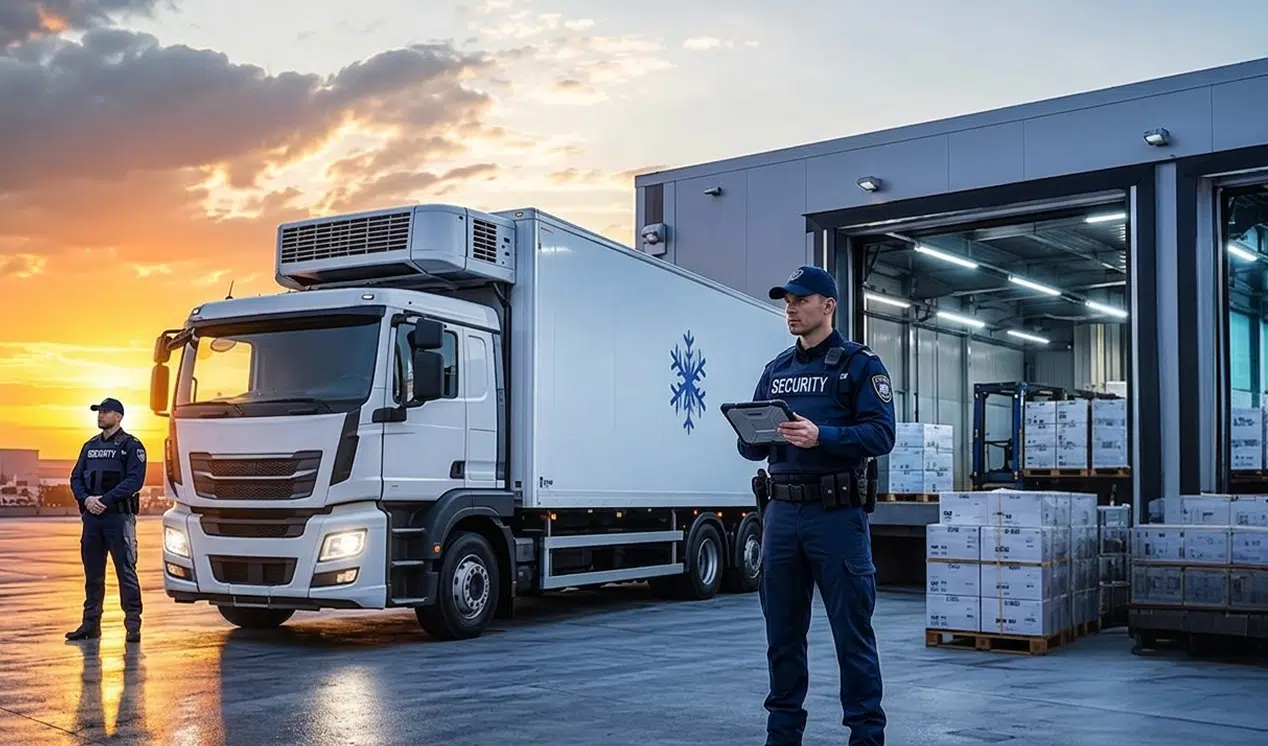
Without FRT-737
- Manual patrols reduce monitoring efficiency at scale.
- Large distribution centers are hard to supervise fully.
- Visibility gaps affect coverage at access points.
- Security relies heavily on human observation alone.
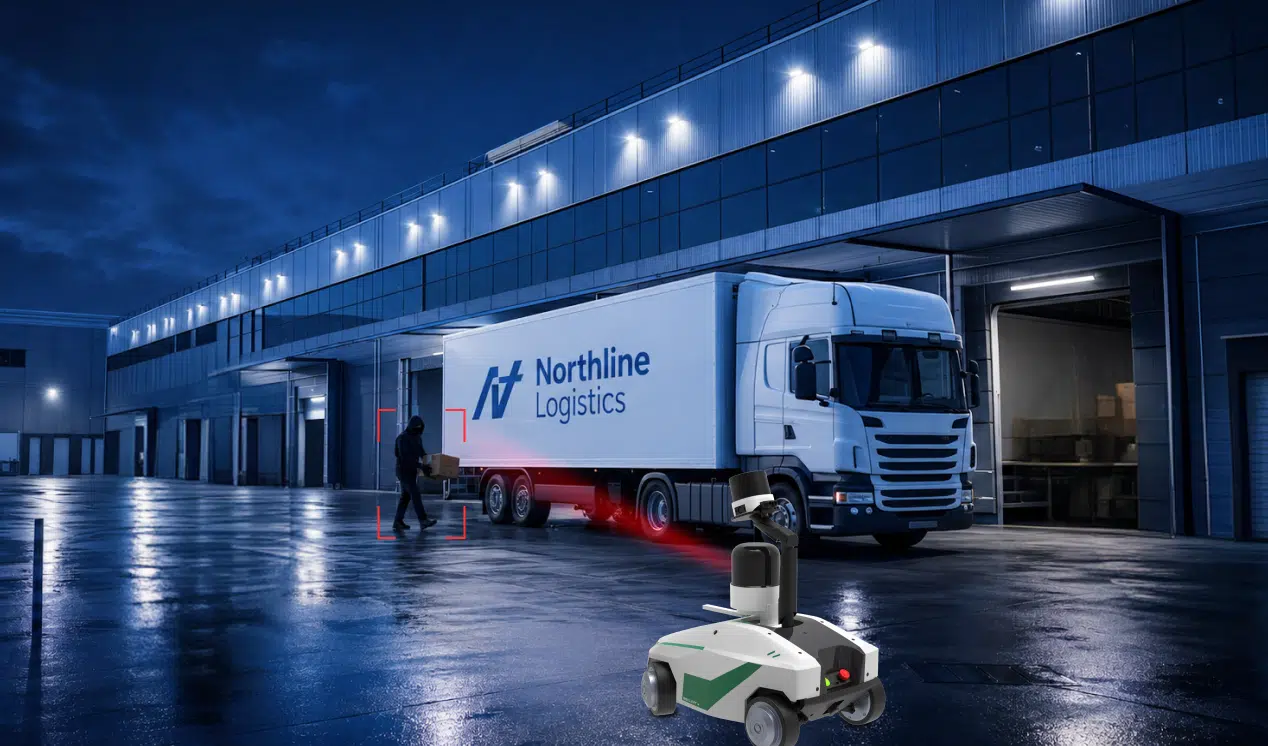
With FRT-737
- Autonomous patrols give continuous facility security.
- AI mobility improves monitoring at corridors and entries.
- Real-time threat detection enables faster response.
- Consistent patrols keep workers and inventory safer.
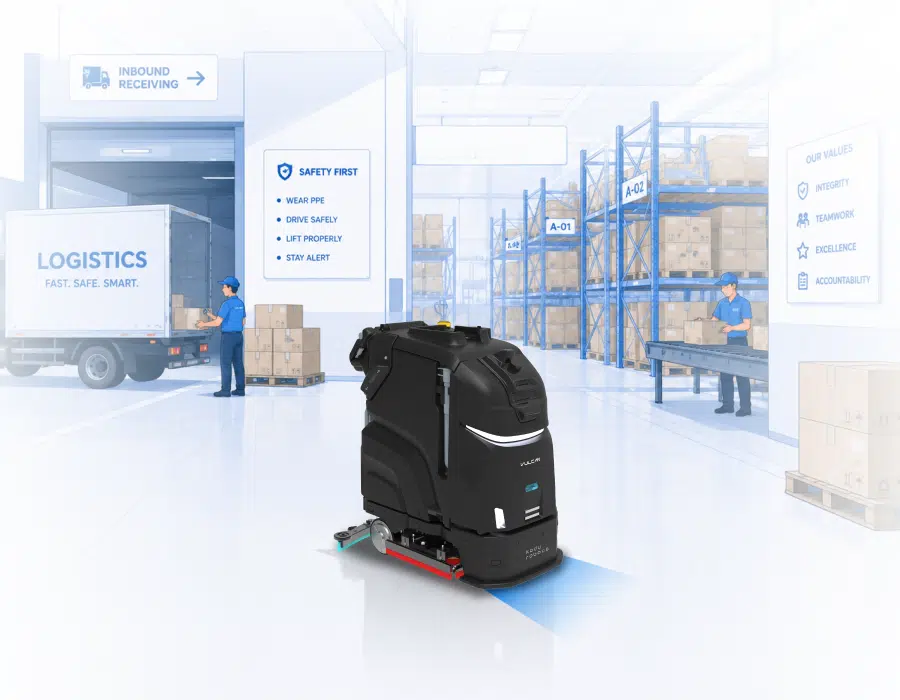
Vulcan for Logistics
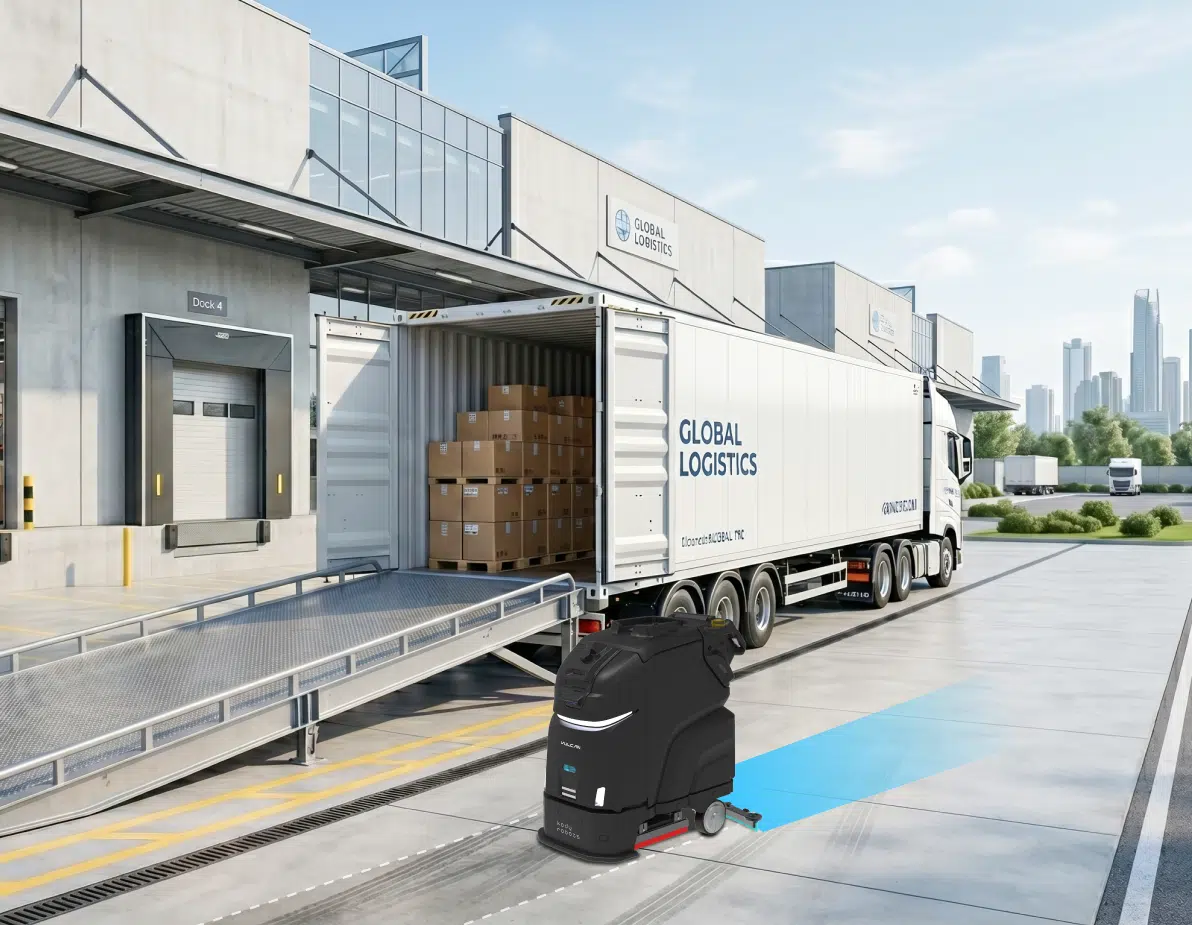
Deliver mapped floor care across large logistics facilities and operational corridors with scheduled cleaning cycles aligned with shift timings and distribution center operating hours.
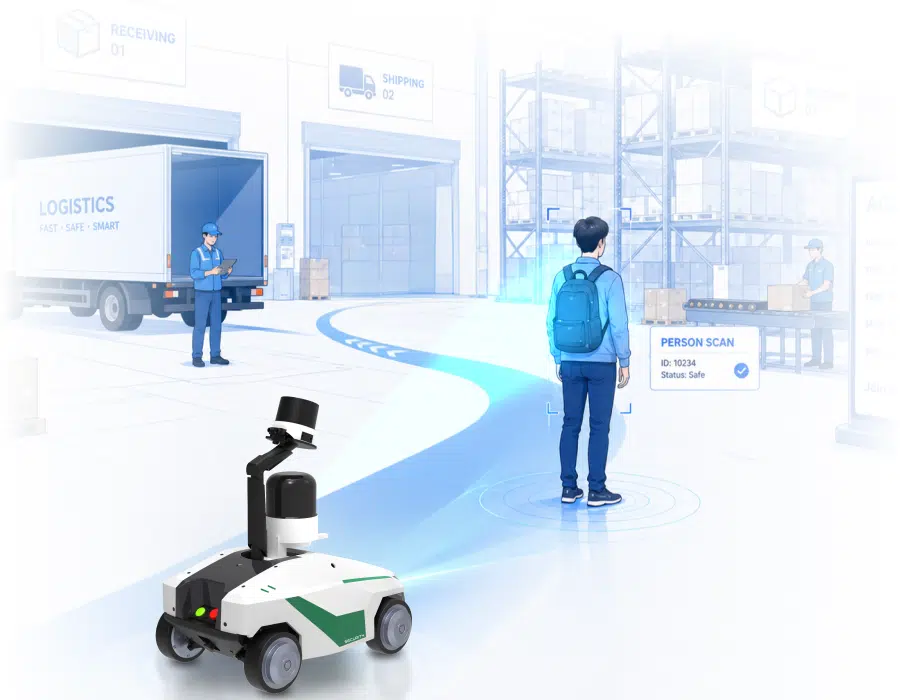
FRT-737 for Logistics
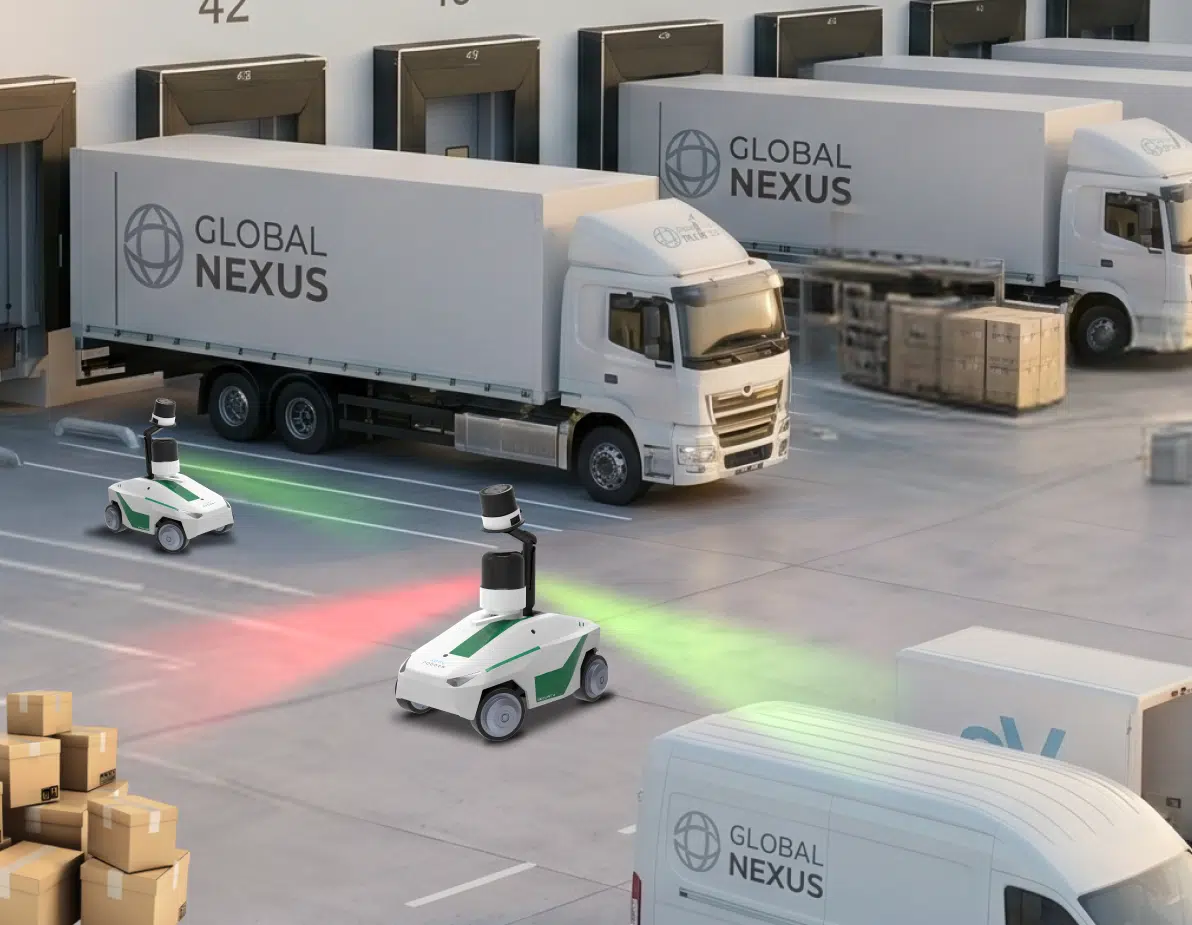
Extend security awareness across logistics perimeters, storage zones, and access points with AI-powered patrol mobility and real-time threat detection throughout distribution facilities.
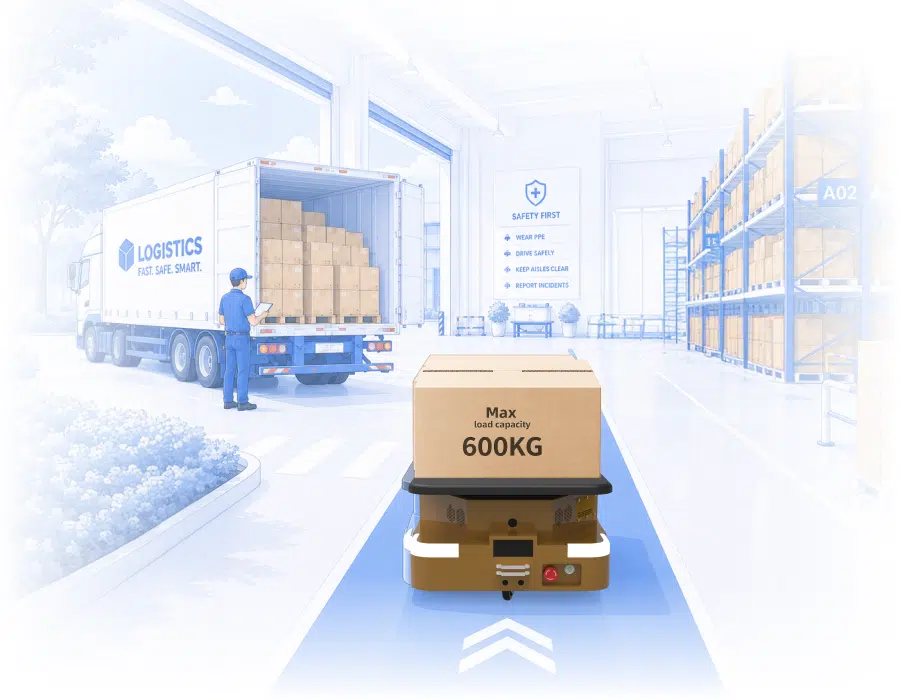
Spilot for Logistics
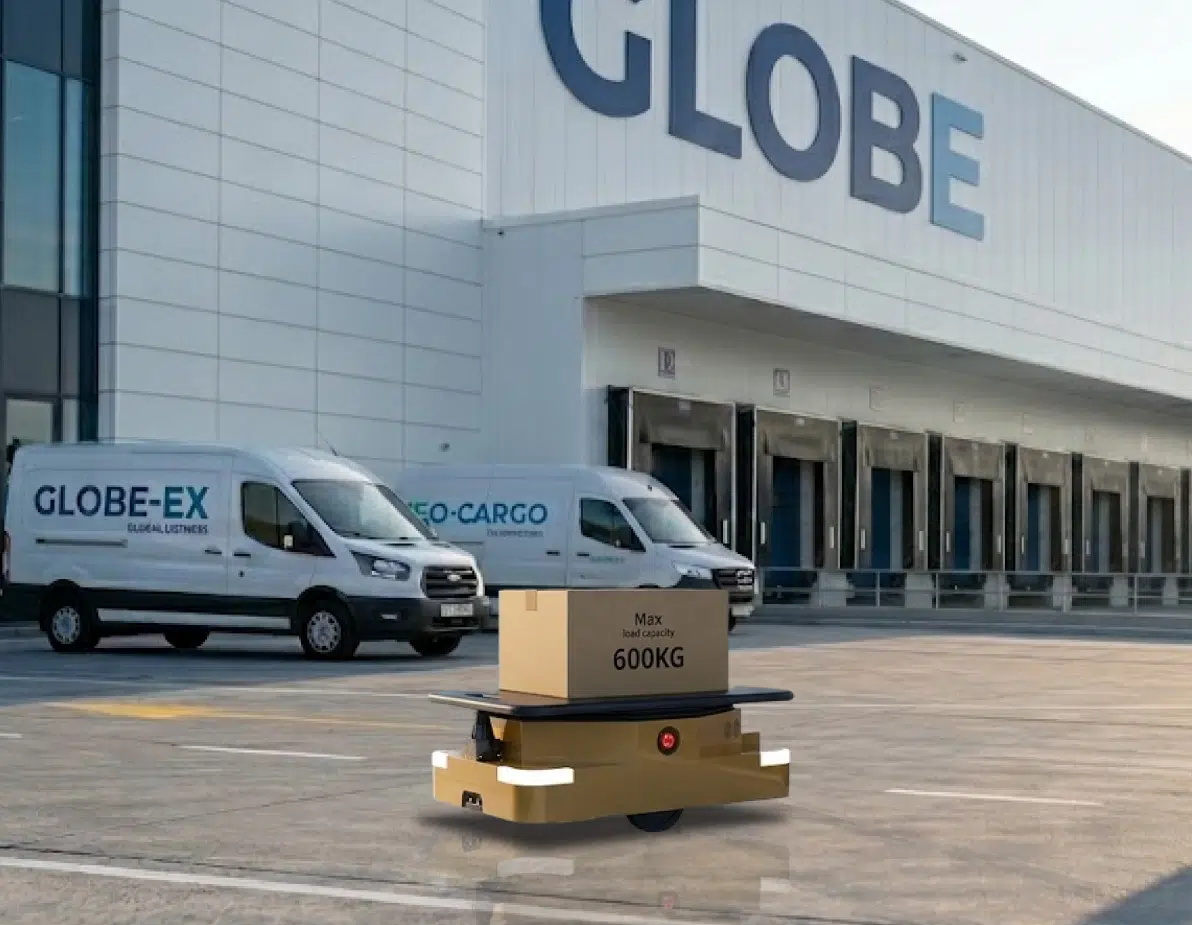
Support autonomous internal transport across logistics aisles and fulfillment zones, keeping goods moving between picking, staging, and dispatch areas without relying on manual handling.
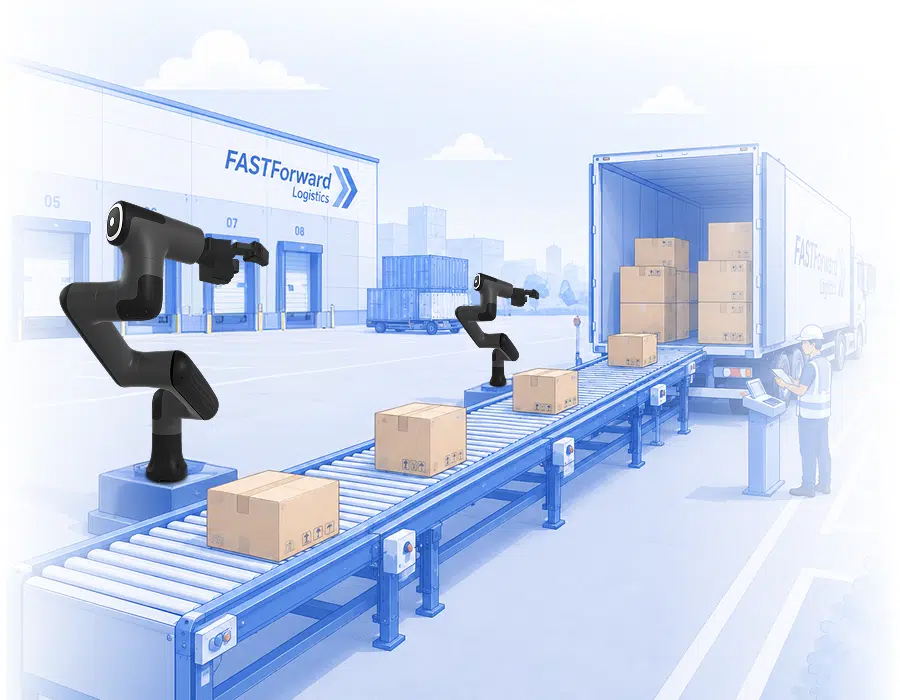
Telos for Logistics
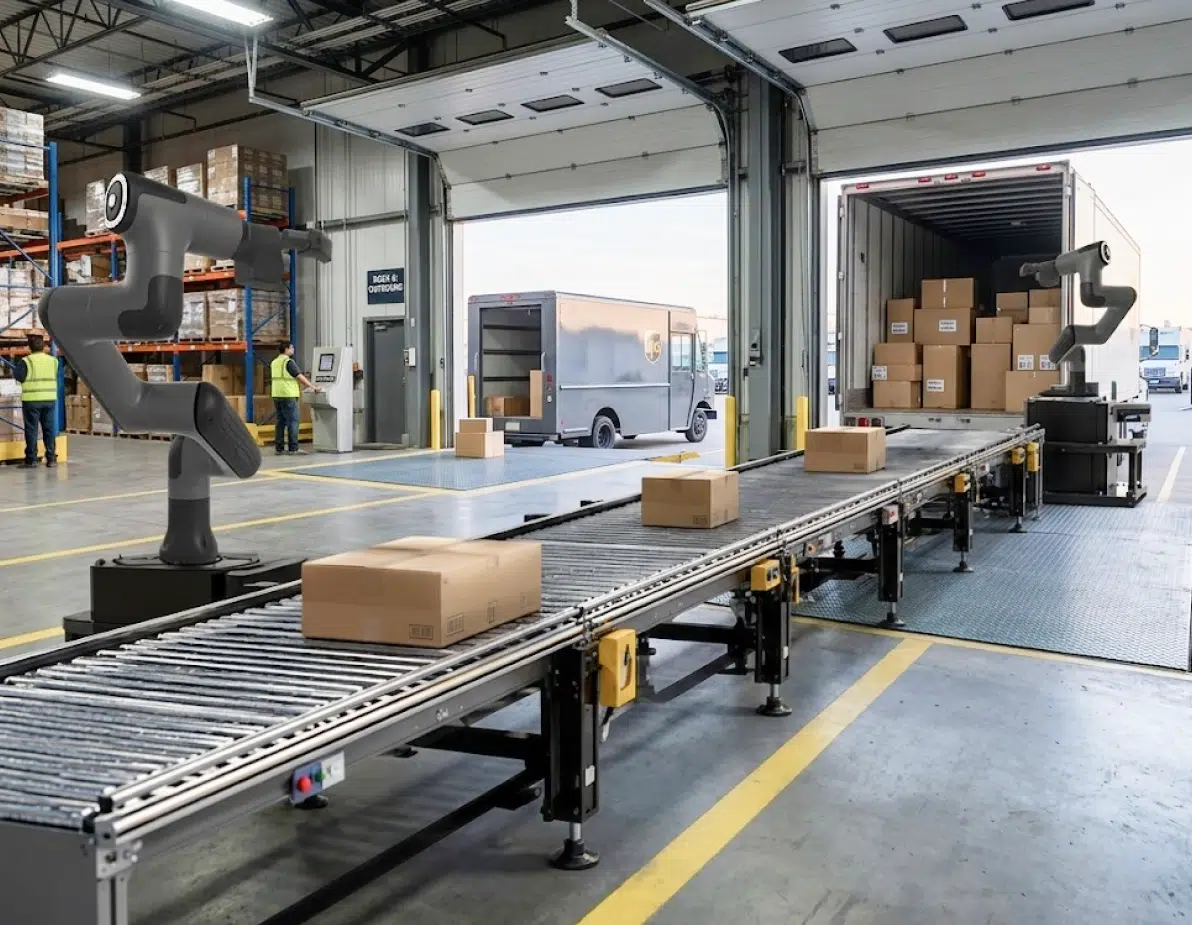
Deploy industrial robotic arm automation across assembly, palletizing, and packing stations, maintaining consistent throughput and precision during high-volume production and fulfillment cycles.
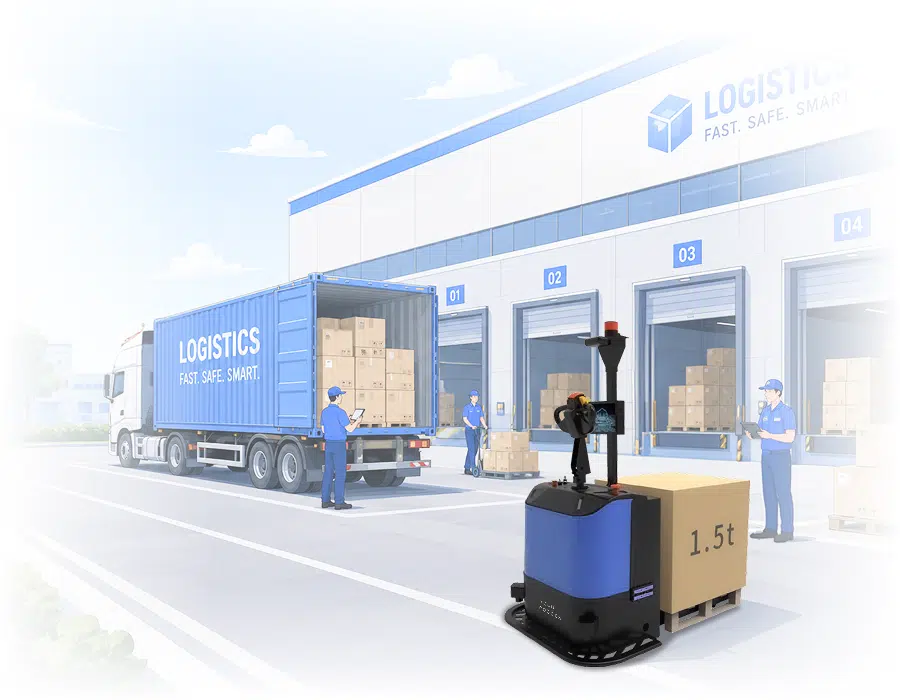
ForkOn for Logistics
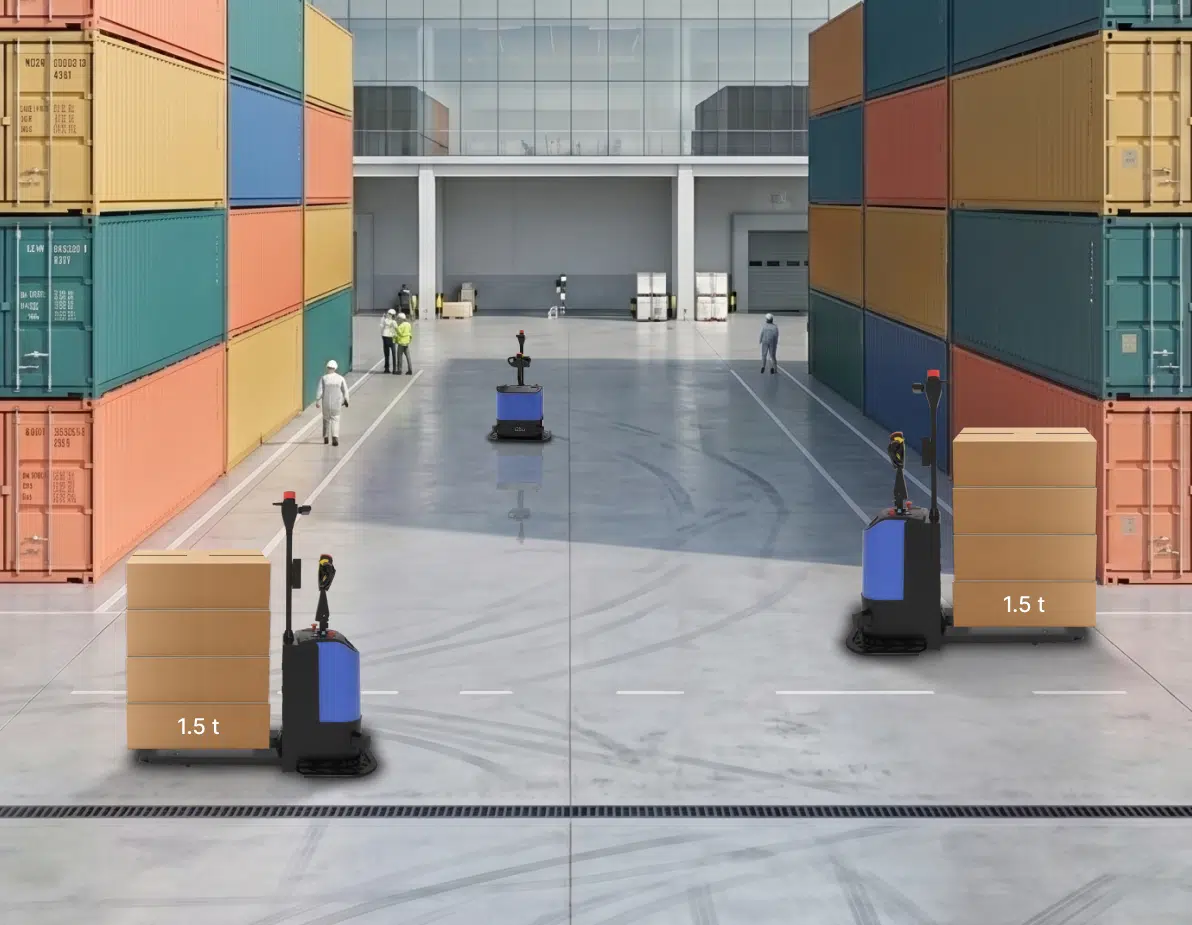
Automate pallet movement and load handling across logistics facilities and loading docks, reducing reliance on manual forklifts while improving material flow consistency throughout distribution operations.
A Complete Autonomous Robot Ecosystem for Logistics Operations
Logistics facilities are high-throughput environments where material handling speed, inventory accuracy, worker safety, and security must work in sync. A complete Robots for Logistics ecosystem meets these demands through intelligent automation designed for modern logistics facilities and distribution centers.
Autonomous internal transport, industrial robotic arm operations, pallet movement, mapped floor maintenance, and patrol coverage work together within one integrated lineup. These industrial logistics robots support every major operational zone across logistics facilities, fulfillment hubs, and distribution centers without disrupting daily operations.
Ready to buy robots for logistics or explore a phased deployment? See what Autonomous Robots for Logistics can do for performance across your facility.
Efficiency
Why You Should Choose Kody Robots’ Autonomous Robots for Logistics
When you choose us, you equip your business with complete supply chain robots that keep your daily operations running and deliver measurable efficiency gains across every facility zone.
Logistics Robots Proven at Scale
These Logistics robots perform reliably in the busiest logistics facilities and fulfillment hubs. Peak seasons, continuous material flow, and changing layouts do not slow them down.
Centralized Logistic Robot Control
A unified dashboard enables real-time monitoring of multiple logistics robots and zones, giving operations managers clear visibility and control across all robot activity throughout every shift and facility area.
Flexible Investment for Logistics
Buy outright or lease, whichever fits your budget. Start with one zone or roll it out across the whole facility; the choice is yours.
End-to-End Logistics Automation
Integrated automation connects material transport, robotic arm operations, pallet handling, floor maintenance, and patrol coverage across every zone, with real-time data to guide teams during high-volume logistics periods.
Buy Robots for Logistics Improve Supply Workflows
Structured automation covers material handling, robotic arm operations, pallet movement, floor maintenance, and patrol coverage in one unified robots for logistics ecosystem. Kody Robots helps logistics operators and facility managers deploy robots for supply chain teams to increase throughput, support workforce productivity, and reduce pressure on staff across busy distribution environments.

General FAQs –
Robots for Logistics
Autonomous Robots for Logistics support core operations such as material handling, internal transport, pallet movement, floor maintenance, and patrol coverage across logistics facilities and supply chain networks.
Below are commonly asked questions from operations directors and logistics managers evaluating robotic deployment within their facilities.
Spilot is an advanced autonomous mobile robot designed to transport goods between picking and dispatch areas across logistics facilities. Its mapped navigation enables continuous operation in busy environments while supporting internal logistics workflows without disrupting the workforce.
Telos maintains throughput during high-volume production while reducing the injury risk for facility workers. Telos will support production by handling tasks such as assembly, palletizing, and packing with consistent precision.
ForkOn autonomously moves pallets and transports loads across logistics facilities and loading docks using AI-powered navigation. It reduces reliance on manual forklifts while improving material flow consistency.
Vulcan is an autonomous cleaning robot, and it can handle floor scrubbing, dusting, draining, and disinfecting across the logistics facility through pre-mapped cleaning cycles aligned with the logistics operational hours.
FRT-737 can enhance security coverage by performing 24/7 autonomous patrolling and real-time monitoring, while supporting the security team by incident reporting and extended area surveillance visibility even in dark areas.
Yes, each robot is built to offer high-impact performance in logistics, as all the robots perform a distinct operational role while functioning within a centralized monitoring structure, allowing coordinated deployment across multiple logistics facilities.
Spilot uses mapped navigation and obstacle detection systems to move safely and precisely through busy logistics facilities while avoiding workers, equipment, and other obstacles.
Vulcan is a heavy-duty autonomous cleaning robot, so it follows pre-mapped cleaning routes and scheduled cycles set by you, so it works without interfering with active material movement between operational hours.
Yes, we create a custom dashboard for your logistics, and this centralized control system allows your logistics management teams to oversee material transport, robotic operations, pallet handling, floor maintenance, and patrol activity from a unified operational dashboard.
Yes, these autonomous robots for logistics can update their routes and operational parameters to accommodate facility expansions, layout modifications, workflow adjustments, and changing logistics requirements.
To determine the number of logistics robots your logistics facility needs, you can contact our team for an assessment. Commonly, the number depends on facility size, throughput volume, shift patterns, travel distances, and the specific workflows being automated.
You can get detailed real-time operational analytics, including fleet performance, inventory flow, fleet throughput, traffic heatmaps, performance consistency, and battery health.
Yes. The navigation systems are designed to adapt to complex indoor layouts commonly found in large, multi-zone logistics facilities, fulfillment hubs, and distribution centers operating across multiple shifts.
Yes. Kody Robots offers logistics operators and facility managers the flexibility to choose between direct purchase and structured leasing models based on budget requirements and whether deployment covers a single facility or a multi-site supply chain automation strategy.
We provide both technical and staff training. While the deployment includes facility layout mapping, operational configuration, system training, and on-site coordination guidance to ensure structured integration within logistics environments from the very first day.
See Autonomous Robots In Action For Your Operations
Share your environment and requirements and we will walk you through how robots fit into your operations.
Brands we worked with